Engaging Fiction for Cancer Awareness
- Ian Boyd
- Jul 2, 2025
- 4 min read
Updated: Jul 3, 2025
Cancer is a word that brings fear to many. It affects millions of people around the world, changing lives in ways that are often hard to describe. For advocates, raising awareness is crucial. One powerful way to do this is through fiction. Stories can connect us, inspire us, and educate us. They can bring light to the darkness of cancer and show the strength of the human spirit.
The Power of Storytelling
Storytelling has been a part of human culture for centuries. It allows us to share experiences, emotions, and lessons. When it comes to cancer awareness, stories can:
Educate: They can inform readers about the realities of cancer.
Empathize: They can help readers understand the emotional impact of those affected.
Inspire: They can motivate action and support for cancer research, nursing, and advocacy.
Fiction can be a bridge that connects people to the experiences of others. It can break down barriers and foster understanding.
Genres That Resonate
Different genres can evoke different emotions and responses. Here are a few genres that work well for cancer awareness:
1. Contemporary Fiction
Contemporary fiction often reflects real-life issues. Books in this genre can portray the struggles of cancer patients and their families. For example, The Fault in Our Stars by John Green tells the story of two teenagers with cancer. Their journey is filled with love, loss, and hope. This book has portrayed the tragedy of teenage cancer in a way that was previously the lone battleground of families who experienced it first hand.
2. Memoirs
Memoirs provide a personal glimpse into the lives of those affected by cancer. They can be raw and honest. A great example is When Breath Becomes Air by Paul Kalanithi. This memoir chronicles the author’s experience as a neurosurgeon diagnosed with incurable cancer. His reflections on life, death, and what it means to be human resonated deeply with me. Though it was difficult to read how locked in he was to science and career, it did motivate me to look wider at what life has to offer.
3. Non Fiction
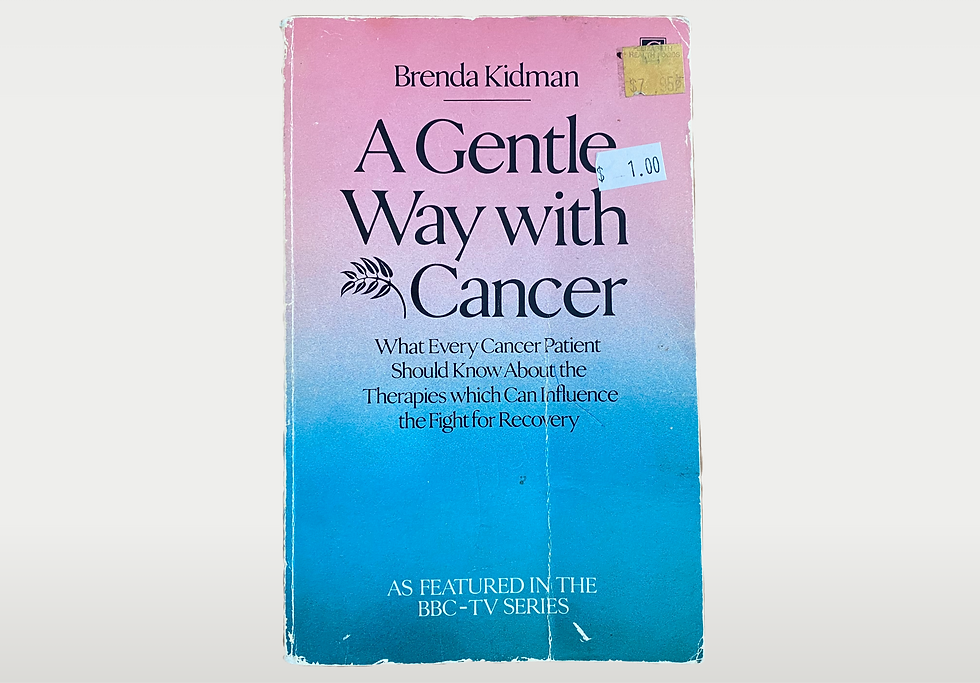
Non fiction tells its own stories from the perspective of research and accumulated knowledge. Books like A Gentle Way with Cancer by Brenda Kidman require just as much storytelling skill as fiction. They reference the experiences of humans used in trials—something I am currently undergoing myself—as scientists follow an unscripted journey toward understanding cancer. Brenda's observations reveal how much we have learnt over recent decades, how many false trails have lead to dead ends along the way, and how much of a role our own bodies and minds play in our individual stories.
The Role of Characters
Characters are the heart of any story. They allow readers to connect emotionally. When characters face cancer, their journeys can inspire and educate. Here are some character types that can be impactful:
Survivors: Characters who overcome cancer can serve as symbols of hope. Their stories can motivate others to fight and advocate for research.
Families, friends, and caregivers: These characters highlight the importance of support systems. They show how love and care can make a difference in the lives of those battling cancer.
Antagonists: Characters who respond inappropriately are equally important to any story about cancer. They demonstrate the damage that can be inflicted upon a cancer patient through ignorance, misinformation, and lack of empathy. This is a key factor in the emotional challenges faced by anyone with a chronic illness.
Crafting Engaging Narratives
Creating engaging narratives requires practise and consideration. Here are some tips for writers looking to craft stories that raise cancer awareness:
1. Be Authentic
Authenticity is key. Readers can sense when a story is genuine. Researching cancer experiences and speaking with survivors can add depth to the narrative, but there is nothing more genuine than a lived experience. (Not that I would recommend any writer should aspire to a cancer diagnosis for the sake of a good story.)
2. Use Emotion
Emotional storytelling can create a strong connection. Don’t shy away from the tough moments. Show the struggles, but also highlight the moments of joy and hope.
3. Include Facts
Incorporating factual information can educate readers. This can be done through character dialogue or narrative exposition. For example, a character might discuss their diagnosis and treatment plan with a partner. The medical facts surrounding cancer are often quite different to perceptions in the public domain. From an emotional perspective, the facts surrounding how individual patients respond may be as enlightening as the medical response.
4. Encourage Action
Stories can inspire action. They may inspire people to attend screening for early intervention, or to offer greater support to a friend undergoing treatment. Cancer affects most people at some point in their lives. Our journeys are all different, and there is something to learn from each and every story.
Final Thoughts
Books that focus on cancer can raise funds for research, prompt dialogue, and offer hope to patients. As we look to the future, the role of fiction in cancer awareness will continue to evolve. With the rise of digital media, stories can reach wider audiences. Authors can use social media and podcasts to share their work and connect with readers. The possibilities are endless. Engaging fiction has the power to change lives. It can educate, inspire, and connect us in ways that facts alone cannot. By sharing stories of hope, struggle, and resilience, we can raise awareness and foster understanding.
Let's continue to support and uplift those affected by cancer through the power of fiction. Together, we can make a difference, one story at a time.
Comments